

Educational content only. No promises of outcomes.
Energy Regulation Fundamentals
The human body maintains energy balance through complex physiological mechanisms. Homeostasis—the body's ability to maintain stable internal conditions—involves continuous regulation of energy intake, storage, and expenditure.
Understanding how the body processes food and manages energy helps explain fundamental concepts in nutrition science. This involves interconnected systems including digestion, hormone signaling, and metabolic pathways.
Explore the full article
Gut-Brain Signaling Pathways
Communication between the digestive system and the brain involves hormones such as ghrelin and leptin. The gut-brain axis represents a bidirectional signaling system that influences appetite, satiety, and energy regulation.
These signals respond to various factors including nutrient intake, meal timing, stress levels, and sleep patterns. Understanding these pathways provides insight into why eating behaviour involves both physiological and neurological components.
Macronutrient Processing Overview
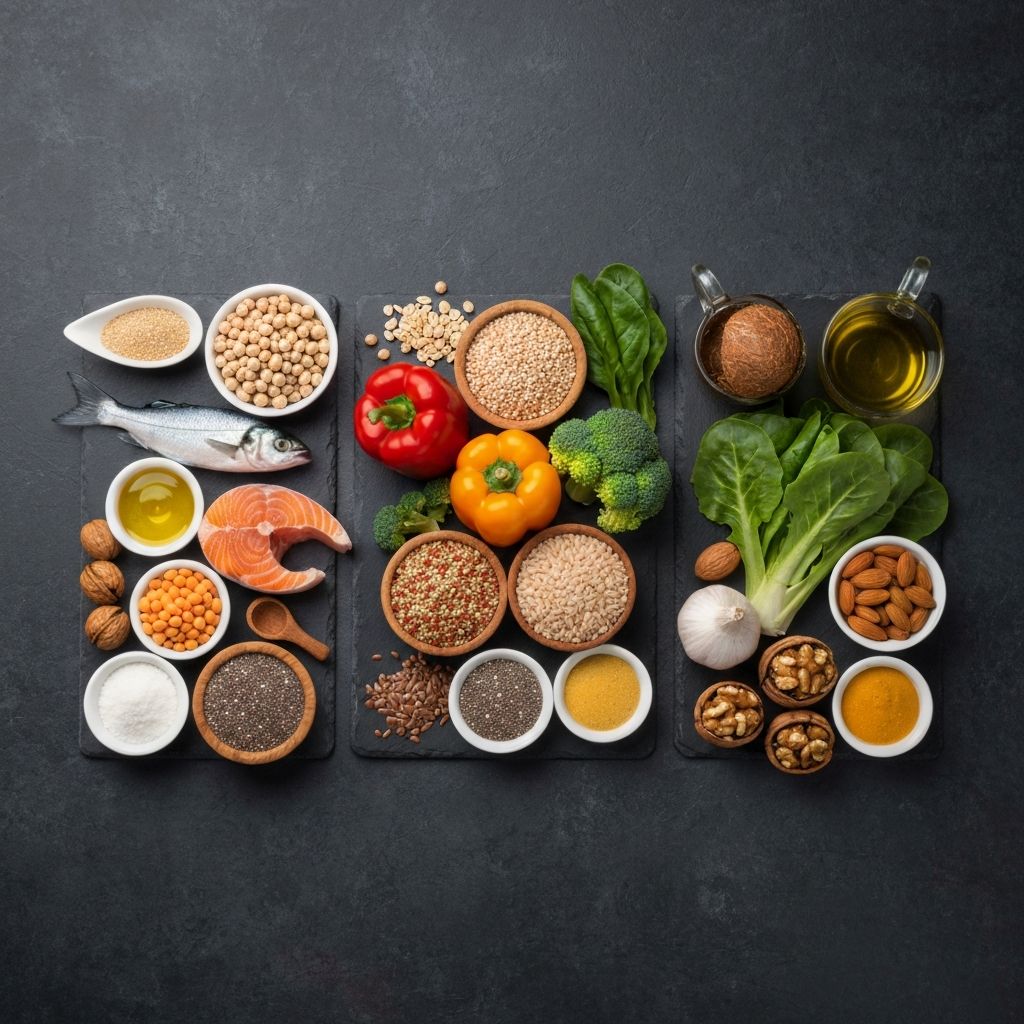
Carbohydrates, proteins, and fats follow distinct metabolic pathways in the body.
Carbohydrates
Broken down into glucose, carbohydrates provide rapid energy. The body stores excess glucose as glycogen in muscles and the liver.
Read more on this topic →Proteins
Amino acids from dietary protein support tissue repair, enzyme production, and various regulatory functions. The body cannot store excess protein in the same way as carbohydrates or fats.
Dive deeper into the science →Lipids (Fats)
Fat molecules provide concentrated energy and support hormone production and nutrient absorption. Dietary fat influences satiety and nutrient bioavailability.
View related insights →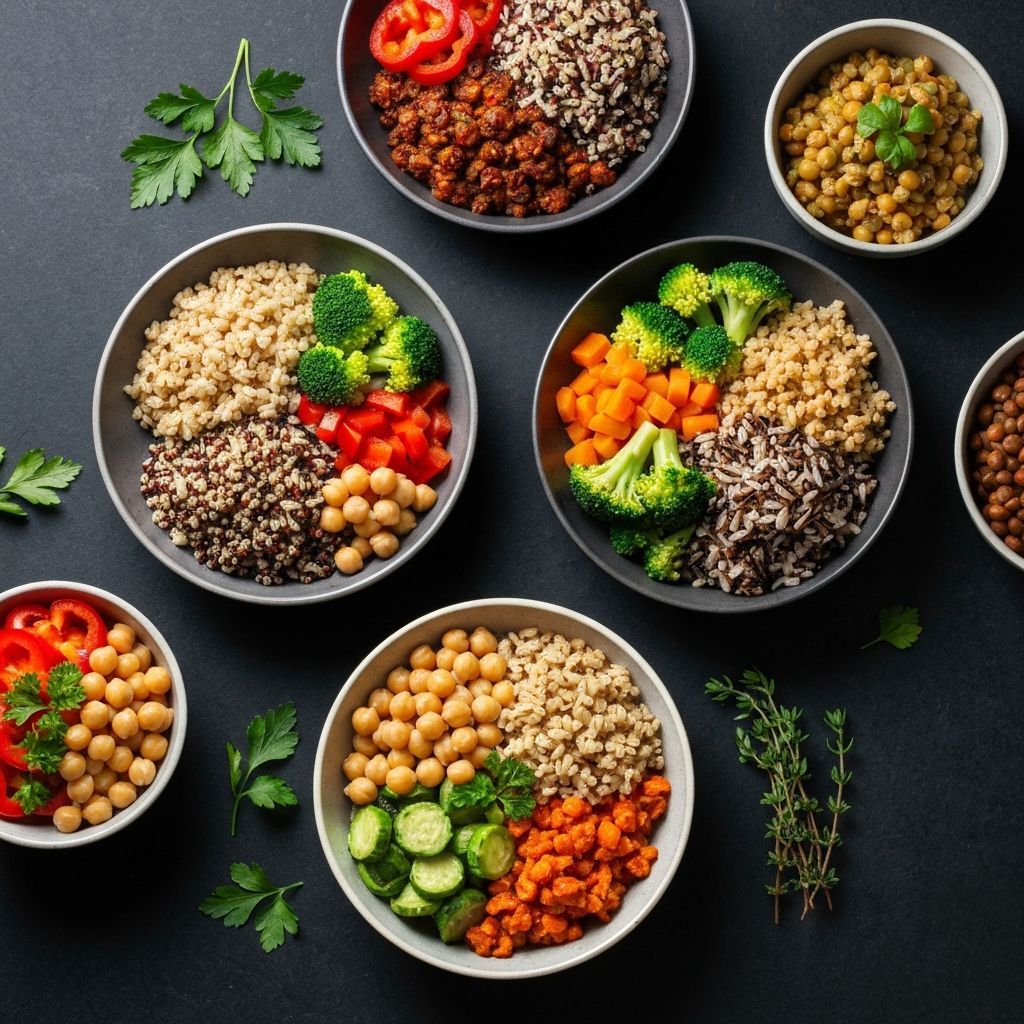
Hydration & Physiological Balance
Water plays essential roles in digestion, nutrient transport, temperature regulation, and waste elimination. Adequate hydration supports optimal physiological function across multiple body systems.
The amount of water needed varies based on factors including activity level, climate, and individual metabolism. Understanding hydration as a fundamental component of nutritional science provides context for why water intake is emphasized in health conversations.
Continue readingDietary Pattern Influences
Different dietary patterns reflect varying food choices and nutrient compositions. Patterns such as Mediterranean, plant-focused, balanced omnivorous, and others each have distinct nutritional profiles.
Food variety influences the range of nutrients consumed and the composition of the gut microbiota. Understanding how dietary patterns affect nutrient intake and physiological markers provides factual context for why different approaches exist in everyday eating practices.
Common Nutrition Myths Clarified
- Myth: "Carbohydrates are inherently problematic." Fact: Different carbohydrate sources have varying nutrient densities and metabolic effects. Whole grain carbohydrates provide fibre, vitamins, and minerals alongside energy.
- Myth: "All calories are processed identically." Fact: The thermic effect of food, nutrient composition, and satiety signals vary by macronutrient type, affecting how the body processes different foods.
- Myth: "Eating at night inherently causes weight gain." Fact: The timing of eating relative to activity and total intake matters, but meal timing alone does not determine energy balance.
- Myth: "Certain foods 'burn' fat." Fact: No individual food directly causes fat reduction. Foods provide energy and nutrients; overall patterns affect physiological outcomes.
- Myth: "Digestive enzymes in supplements significantly enhance digestion." Fact: The body produces adequate digestive enzymes in most healthy individuals; supplemental enzymes have limited evidence for improving digestion in people without specific deficiencies.
Featured Articles
Detailed explorations of key nutrition science topics.

Human Energy Homeostasis: Core Mechanisms
A comprehensive overview of how the body maintains stable energy states through regulation of intake and expenditure.
Discover more science →Gut Hormones and Appetite Control Basics
Understanding the hormonal signals that influence hunger, satiety, and eating behaviour through the gut-brain axis.
View related insights →Carbohydrate Digestion Pathways Explained
The physiological journey of carbohydrates from intake through utilization and storage in body tissues.
Explore the full article →Protein Metabolism Fundamentals
How dietary protein is processed, used for tissue repair, and its role in various regulatory functions.
Read more on this topic →Lipid Handling in the Body
The metabolic processes involved in how the body handles dietary and stored fats for energy and physiological functions.
Dive deeper into the science →Hydration Physiology and Daily Balance
The physiological roles of water in digestion, transport, regulation, and elimination within the human body.
Continue reading →Key Nutrient Interactions
Nutrients work synergistically within the body. Understanding how different compounds interact provides deeper insight into nutrition science.

Micronutrient Synergies
Fat-soluble vitamins (A, D, E, K) require dietary fat for absorption. Vitamin C enhances iron absorption. These interactions affect nutrient bioavailability and physiological impact.
Fibre and Micronutrient Binding
Dietary fibre affects the rate and extent of nutrient absorption. Some compounds in plants can bind minerals, influencing their availability to the body.
Polyphenol Interactions
Plant compounds called polyphenols interact with the microbiota and influence antioxidant activity in the digestive system, affecting broader physiological responses.
Frequently Asked Questions
Meal frequency does not significantly alter metabolic rate. The thermic effect of food depends more on total nutrient intake and composition than on how many meals are consumed. Both frequent small meals and fewer larger meals can support adequate nutrition depending on individual circumstances.
The body uses separate but related signaling pathways for hunger and thirst. Dehydration signals include dry mouth and increased blood osmolarity detected by osmoreceptors. Hunger signals involve hormones like ghrelin and metabolic byproducts. However, these signals can overlap, which is why thirst is sometimes misinterpreted as hunger.
Nutrient timing can influence blood glucose stability, satiety duration, and energy availability for physical activity. Consuming carbohydrates and protein in proximity to exercise, for example, supports muscle glycogen replenishment and amino acid availability. However, total daily intake remains the primary determinant of overall nutritional outcomes.
The glycemic index and glycemic load describe how quickly different carbohydrate sources affect blood glucose. Factors including fibre content, food preparation, fat and protein presence, and individual physiology influence glucose responses. Whole grains and legumes typically produce slower, more sustained glucose increases compared to refined carbohydrates.
The gut microbiota ferments dietary fibre, producing short-chain fatty acids that nourish the intestinal lining and influence systemic physiology. The microbiota also synthesizes certain vitamins, influences immune function, and affects nutrient bioavailability. Dietary composition directly influences microbial composition and function.
Deepen Your Understanding
Explore detailed articles covering the science of nutrition and energy regulation. All content is presented for educational purposes to support informed understanding of these topics.
Discover all articles